What Is a Bank Receipt, and When Do You Need One?
Thomas Gak-Deluen9 min read
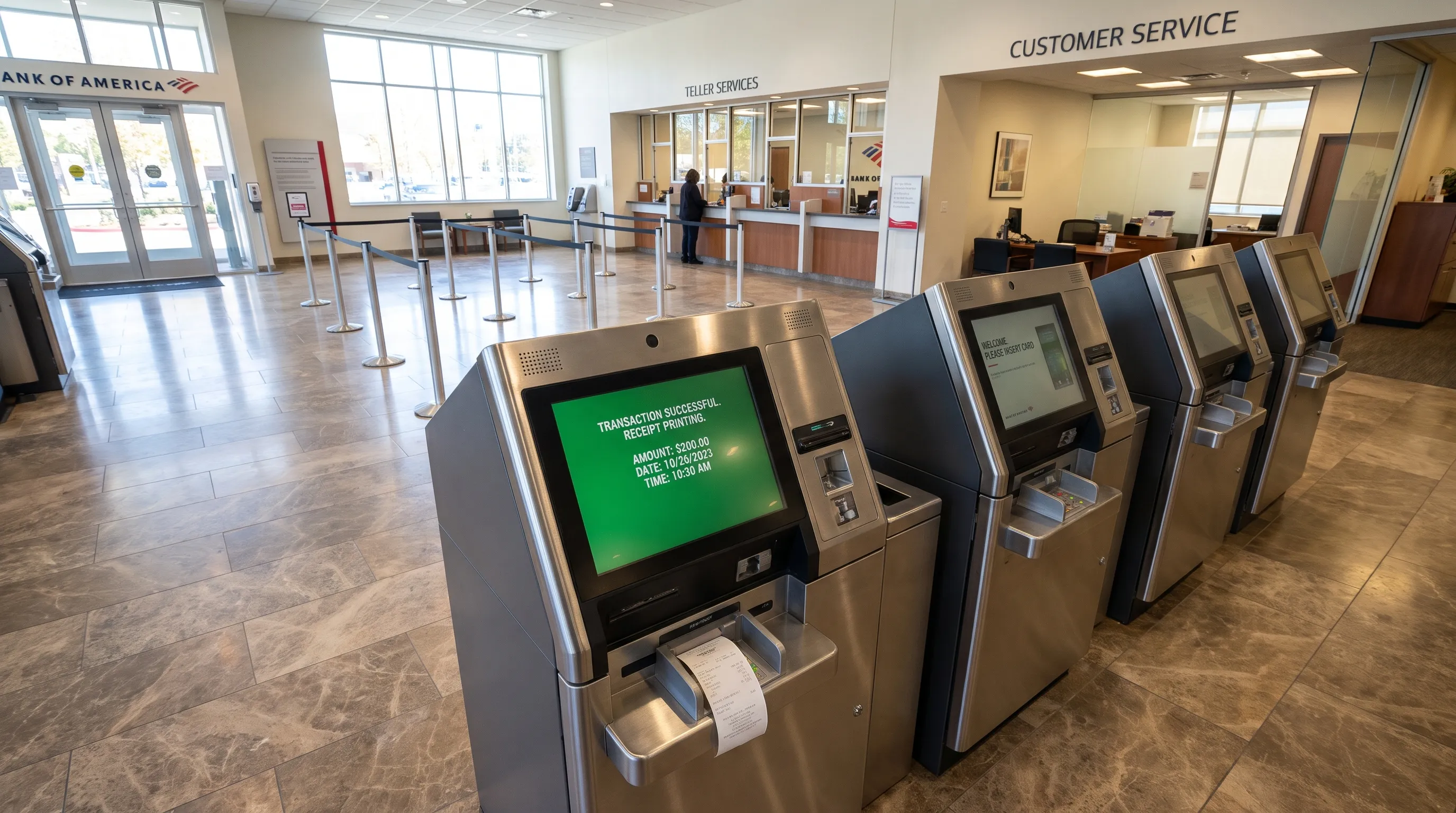
A bank receipt is a paper or digital acknowledgment from a bank that records a particular transaction, such as a deposit, withdrawal or transfer. You may need one to document a payment, investigate a missing deposit or support your bookkeeping. But the receipt’s wording matters: confirmation that a transaction was submitted is not necessarily proof that the recipient received the money.
What the receipt actually proves
Banks use different names for these documents, including transaction receipt, payment confirmation, deposit receipt and transfer acknowledgment. They may appear as a printed slip, downloadable PDF or confirmation within online banking.
The document typically identifies one transaction rather than summarizing all activity in an account. Depending on the bank and payment method, it may contain:
| Detail | What it helps establish |
|---|---|
| Transaction date and time | When the bank recorded or accepted the instruction |
| Amount and currency | The value involved in the transaction |
| Transaction type | Whether it was a deposit, withdrawal, transfer or another operation |
| Account or recipient details | Which accounts or parties were involved, often with some information masked |
| Reference or confirmation number | An identifier the bank can use to locate the transaction |
| Status | Whether the transaction is pending, processed, completed or otherwise classified |
The status determines how much the document proves. An acknowledgment of a scheduled transfer shows an instruction was recorded, not that payment has arrived. Likewise, a check deposit receipt does not mean the check has cleared or that the funds cannot later be reversed.
When do you need a bank receipt?
You need transaction-level evidence when someone must establish what happened to a particular payment or deposit. The required document depends on the purpose and the organization requesting it.
Deposits, repayments and personal records
Keep the confirmation when depositing cash or checks, repaying a personal loan or transferring money toward a shared expense. It gives you an amount, date and reference to compare with subsequent account activity.
For example, if an ATM deposit does not appear as expected, the receipt can help the bank locate the transaction. An ATM acknowledgment may still be subject to verification, particularly when the bank has not yet confirmed the deposited contents.
Business expenses and supplier payments
For business spending, a bank receipt supports the payment side of the record. It usually does not explain what you bought, whether tax was charged or why the expense relates to your business.
If you hire a branding and go-to-market agency such as Boil, keep the agency’s invoice alongside the payment confirmation. The invoice describes the work and amount billed; the bank document helps connect that bill to the outgoing payment. This same distinction applies to other suppliers.
The IRS’s recordkeeping guidance identifies invoices, receipts, deposit slips and other supporting documents as business records. One document does not necessarily supply every detail needed to substantiate an expense.
Disputes and requests for proof
A landlord, supplier or other recipient may request confirmation when they cannot match your payment to their records. A reference number can help resolve the mismatch without sending your entire account history.
Ask what evidence they accept first. A lender reviewing income or available funds may require complete statements rather than a single transaction confirmation.
Receipt, statement, deposit slip or invoice?
These documents serve different purposes. Choosing the right one can prevent a rejected application or an unresolved payment query.
| Document | Main purpose | Important limitation |
|---|---|---|
| Bank transaction receipt | Records a specific banking transaction or instruction | Its status may not establish final receipt of funds |
| Bank statement | Summarizes account activity over a period | Usually does not describe the goods or services purchased |
| Deposit slip | Lists the cash or checks presented for deposit | A customer-completed slip alone does not prove bank acceptance |
| Supplier invoice | Describes goods or services and requests payment | Does not, by itself, prove payment |
| Merchant receipt | Records a purchase and often its payment details | Is not the same as a bank-issued transaction acknowledgment |
A bank-validated deposit record is different from an unprocessed deposit slip. Similarly, an invoice marked “paid” is a supplier’s acknowledgment, not a document issued by your bank.
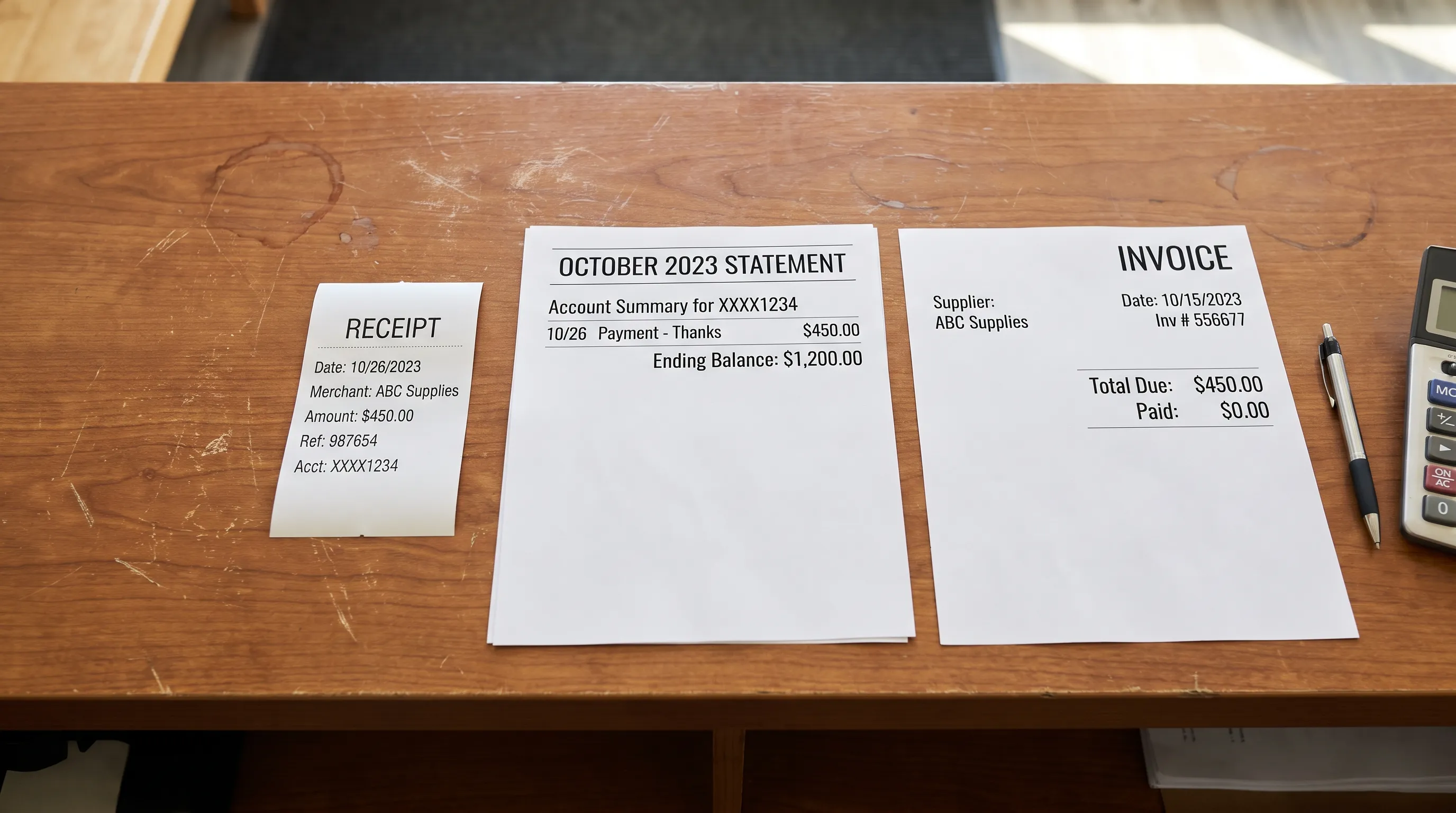
A bank receipt can help connect an invoice to a statement entry, but it does not replace either document. If the question is whether a payment reached the intended recipient, the recipient’s account records or a bank investigation may be needed too.
How to get the document from your bank
Start with the transaction itself, not a blank receipt template. The available download options and document names vary by institution.
Through online or mobile banking
Sign in through your bank’s official website or app and open the relevant account. Locate the transaction by date, amount or recipient, then open its details.
Look for an option such as download confirmation, view receipt, payment details or print. Save the bank-generated file when available. Check whether it describes a scheduled instruction, pending transaction or completed payment before sharing it.
If there is no receipt option, ask the requester whether transaction details or the relevant statement page will meet their requirements. A screenshot may omit important information and may not be accepted.
At a branch, ATM or through customer support
For a teller transaction, request a printed confirmation before leaving. At an ATM, select the receipt option when offered and retain the slip until the account activity matches your records.
If you lost the original, contact the bank with the approximate date, amount, account and transaction reference, if known. Ask for a duplicate receipt or an official transaction confirmation. Availability, retrieval times and any fees depend on the bank and the age of the record.
Can you create one yourself?
You can prepare an internal payment log, but that is not a bank receipt. A template filled out by the sender cannot establish that the bank processed a transaction.
Downloading or printing an existing confirmation is different from creating one. Do not add a bank logo, change a payment status or alter transaction details to make a document look bank-issued. If the original contains an error, ask the bank to investigate or provide corrected documentation.
What to check before relying on the document
Before filing or sharing a bank receipt, compare it with the transaction you intended to make. A genuine document can still relate to the wrong payment, and an authentic confirmation can show a transaction that has not finished processing.
Check these details:
- Amount and currency: Confirm both, especially where conversion charges or transfer fees are involved.
- Recipient or destination: Compare the available details with the intended payee, not just a familiar display name.
- Date: Distinguish the instruction date from the posting, processing or settlement date where shown.
- Reference: Retain the bank’s transaction identifier as well as any invoice or customer reference you supplied.
- Status: Look for pending, scheduled, failed, returned or completed wording, and ask the bank what that status means if unclear.
For an international transfer, the amount sent may differ from the amount received because of currency conversion or fees. Establish which amount the document shows before treating the difference as an error.
Do not release goods or send a refund solely because someone emails a convincing payment image. Check your own account through official banking channels. If the payment cannot be located, contact your bank rather than relying on contact details printed on an unfamiliar document.
Keep the receipt with its supporting records
Save the original download or a clear image of the entire paper document. Thermal paper can fade, so a digital copy is useful even when you retain the original. Make sure the edges, reference number and status are readable.
Use a consistent filename, such as the transaction date, payee and reference. Store the document with the related invoice, expense record or deposit documentation rather than leaving it in an email attachment folder.
For bookkeeping, match the bank receipt to the posted statement entry. Our guide to reading a bank statement and verifying transactions explains the broader review process. Keep in mind that a statement posting date may differ from the date on the original confirmation.
If you process many document images, receipt OCR can help build structured expense records. Review extracted dates, amounts and references against the original rather than assuming text recognition guarantees accuracy.
Before sharing, check whether unrelated account details can be redacted without making the document unacceptable. Keep an unaltered original, use a secure delivery method and never share banking passwords or one-time security codes. Retention periods depend on the record’s purpose and applicable requirements, so avoid applying one blanket rule to every receipt.
Frequently asked questions
Does a bank receipt still exist? Yes. Banks still provide paper and digital transaction acknowledgments, although the name and format vary. Online transfer confirmations and ATM receipts are common forms. Not every transaction has a separate downloadable document.
How do I get a bank transfer receipt? Open the transfer details in your bank’s official app or website and look for a confirmation or download option. If none is available, contact the bank and request an official record. Check the transaction status before using it as proof of payment.
Is a receipt enough to prove someone received my transfer? Not always. It may prove only that your bank accepted an instruction or processed the outgoing payment. If receipt is disputed, ask your bank to investigate using the transaction reference and confirm what additional evidence is available.
Can I use a screenshot instead? Only if the organization requesting proof accepts it. A screenshot may omit the reference, account details or status needed to identify the payment. A bank-generated document is generally easier to assess, but the recipient sets its documentation requirements.
What if the details are wrong? Check the transaction in your official banking account and contact the bank promptly. Do not edit the document yourself. If money went to the wrong destination, ask what recovery or investigation options apply to that payment method.
Turn supporting records into usable financial data
Keep transaction confirmations for individual payments and use statements to review the complete account record. Neither replaces the other, and mathematical consistency alone does not establish that a payment was authorized or reached its intended recipient.
When you need statement data for bookkeeping or analysis, Extract Bank Statements converts PDFs into CSV, Excel, OFX or JSON and checks extracted figures against the statement’s running balance and totals before export. Keep the original documents alongside the exported data so each entry remains traceable to its source.