
How to Investigate a Bank Transaction You Do Not Recognize
Thomas Gak-Deluen9 min read
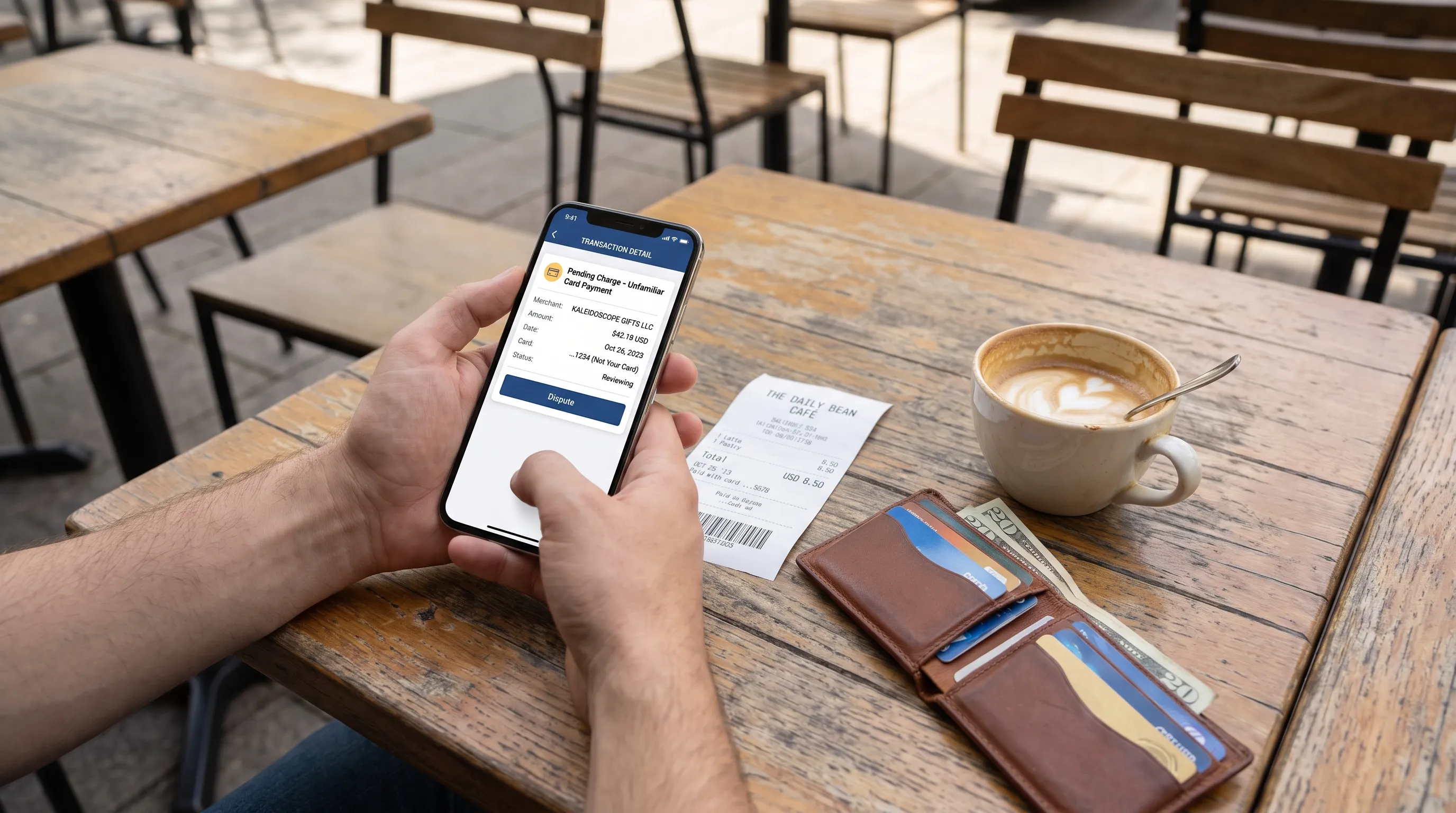
An unfamiliar bank transaction can be a confusing merchant name, a delayed payment or an unauthorized withdrawal. Start by checking how the payment was made, matching it to your records and protecting your account if fraud seems possible. You do not need to identify the merchant yourself before notifying your bank.
This guide explains what to investigate, which evidence to save and how to report the issue without confusing an unauthorized payment with a billing dispute.
Protect your account if fraud seems likely
If you see several unexplained withdrawals, a payment from somewhere you have not visited or activity after losing your card, contact your bank promptly. Use its official app, the number on your card or a website address you type yourself. Do not use contact details in an unexpected message about the charge.
A temporary card lock can help prevent further card use, but locking a card does not necessarily stop account transfers, ACH debits or recurring payments. Ask the bank which protections apply to the payment you found.
If you suspect someone accessed your online banking, change your password from a trusted device and review multifactor authentication settings. Never share a one-time code or move money to a supposed “safe account” at someone else's request.
Save the transaction details before they change. Record the amount, description, date and whether the payment is pending or posted. If the bank transaction appears unauthorized, report it while you continue gathering evidence rather than waiting to complete every check below.
Identify how the bank transaction was made
The payment channel determines what information can explain the entry and which dispute process may apply. A debit card purchase and an ACH withdrawal can both reduce your checking balance, but they are not investigated in the same way.
Open the detailed transaction view in your banking app. Look for a payment type, reference number, card identifier or expanded merchant description. If those details are missing, ask the bank whether it can provide them.
| Payment type | Details to look for | Useful next check |
|---|---|---|
| Card purchase | Merchant descriptor, card's last four digits, pending or posted status | Compare receipts, subscriptions and digital wallet activity |
| ACH or direct debit | Originator name, company ID and payment reference, if available | Check recurring bills and debit authorizations |
| Transfer or wire | Recipient, destination details and reference number | Compare saved payees and transfer confirmations |
| ATM withdrawal | ATM location, date and time | Check whether you or an authorized account user withdrew cash |
| Check | Check number and check image, if available | Compare your check register and the payee shown on the image |
For each bank transaction, keep a distinction between information the bank confirms and your own assumptions. An unfamiliar location, for example, might reflect a merchant's headquarters rather than where you shopped.
Trace the merchant name back to your records
Search receipts, subscriptions and authorized users
A statement descriptor is not always the name displayed above a store's door. It may identify a parent company, payment processor, marketplace seller or abbreviated trading name.
Search your email and receipts using the exact amount first, then any recognizable part of the description. Check purchases made around the transaction date, not just on that date: posting can happen after authorization. Review app subscriptions, annual renewals, delivery orders and purchases made through marketplaces.
Ask joint account holders or authorized card users whether they recognize the payment. If the entry involves a digital wallet, check its activity too. A wallet's tokenized card identifier may differ from the physical card's last four digits.
Loan repayments deserve the same paper trail. If you already have a loan with a Singapore lender such as Swift Credit, compare the entry with your signed agreement, repayment schedule and previous payments. A lender's name alone does not prove that a debit was authorized.
When researching a bank transaction, avoid treating a search result as proof. Use independently verified contact details before asking a merchant to identify the payment, and never send your full card number or banking password.
Distinguish holds, duplicates and refunds
Check whether the charge is pending or posted. Hotels, rental companies and some other merchants use authorization holds that can differ from the eventual charge. A pending entry and a posted entry may represent one purchase rather than two settled payments.
For a suspected duplicate, compare the amount, merchant, reference numbers and status of both entries. Two posted charges deserve investigation even when their descriptions match.
If a refund is missing, preserve the merchant's confirmation and ask for any available refund reference. A refund may post separately instead of replacing the original charge. For foreign-currency purchases, compare the original currency amount and any conversion or fee information, not just the final dollar amount.
Build a concise evidence record
Create one record for the disputed bank transaction so you can explain the issue consistently to the merchant and bank. Preserve the original statement or receipt rather than relying only on a spreadsheet you edited.
Your record should contain:
- Payment details: Amount, currency, transaction date, posting date, exact description and reference number.
- Supporting records: Relevant receipts, order confirmations, cancellation notices, refund confirmations or payment authorizations.
- Your findings: What you checked, why the payment remains unexplained and whether an authorized user recognizes it.
- Contact history: Dates, case numbers, names or departments contacted and any promised next steps.
A short factual explanation is more useful than a long account of every possibility. For example: “I do not recognize this posted debit. I checked my receipts and subscriptions, and the other account holder did not authorize it.”
Avoid adding guesses such as “the merchant stole my card details” unless you have evidence. If you share a statement outside your bank's secure channel, redact unrelated transactions and unnecessary account information while keeping an untouched original.
Contact the bank with the correct dispute category
Tell the bank what happened, not just that you want a chargeback. The distinction between unauthorized activity and a problem with an authorized purchase affects how the case is handled.
Unauthorized payment: You did not make or permit the payment. Report it to the bank immediately and ask whether the card, credentials or account need additional protection.
Authorized purchase with a billing problem: You approved the purchase, but the amount is wrong, the merchant charged twice, the goods did not arrive or an agreed refund is missing. Contacting the merchant can help resolve the issue, but it should not cause you to miss a bank dispute deadline.
Transfer you authorized after being deceived: Explain that you made the transfer because of a scam. Do not describe it as a payment you never initiated. Ask immediately whether the bank can attempt a recall or recovery, without assuming the same protections apply as to an unauthorized debit.
For a disputed bank transaction, ask for a case number, any document requirements, the reporting deadline and the expected next update. Keep confirmation that the bank received your report.
Know the US reporting deadlines
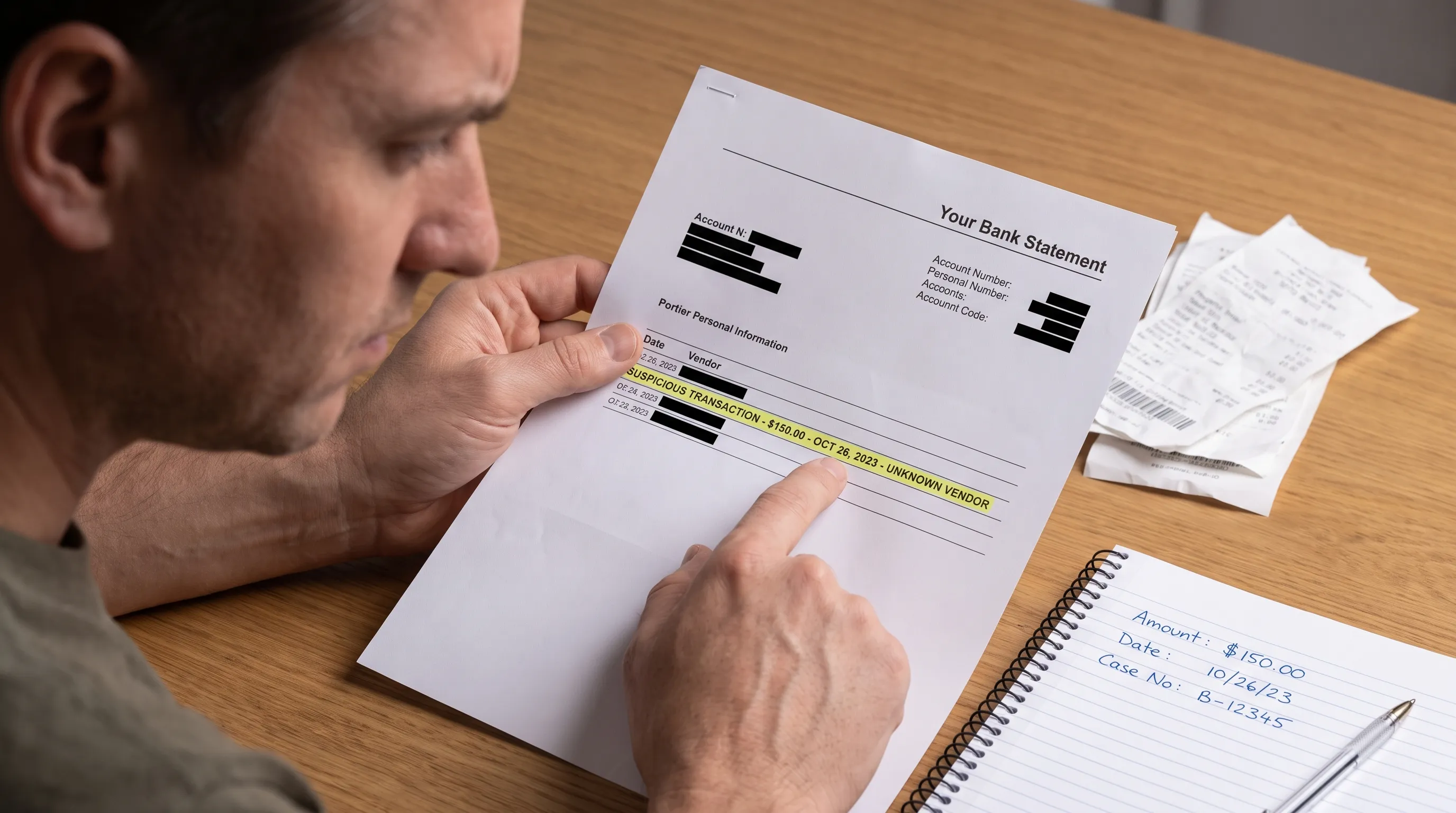
For US consumer accounts, the rules depend on the payment type. Report suspicious activity promptly; a 60-day deadline is not a reason to wait.
The Consumer Financial Protection Bureau's Regulation E error-resolution rules generally require notice of a covered electronic transfer error within 60 days after the institution sends the statement first showing the error. Separate liability rules can make delays after discovering a lost or stolen card costly. The FTC's guidance on lost or stolen cards explains why prompt reporting matters.
For credit card billing errors, the formal process generally requires written notice within 60 days after the issuer sends the first statement showing the error. Follow the issuer's billing-dispute instructions and use its designated address, which may differ from the payment address. Ask whether a secure electronic submission satisfies its written-notice requirements. These procedures are covered by Regulation Z's billing-error rules.
Business accounts, wires and accounts outside the US may follow different rules. Ask your bank which process applies to the bank transaction you are reporting. If you receive provisional credit, remember that it is temporary while the investigation continues, not necessarily a final resolution.
Use statement data to find related activity
If the unexplained entry is buried in months of statements, a spreadsheet can help you search the descriptor, sort matching amounts and identify similar withdrawals. Look for earlier small charges, recurring payments or additional entries involving the same payee.
Extract Bank Statements converts statement PDFs into CSV, Excel, OFX or JSON and supports scans and photos through OCR. It verifies extracted figures against the statement's running balance and declared totals before export. That can make a multi-statement investigation easier without manually retyping each entry.
However, a payment can reconcile perfectly and still be unauthorized. As our explanation of what statement reconciliation proves makes clear, matching the arithmetic is not the same as confirming that you approved a payment.
Always compare the suspect bank transaction with the original statement, particularly its description, sign, amount and date. Keep investigation notes in separate columns so the extracted data remains unchanged. For a broader review of the surrounding entries, use our guide to checking a statement for errors.
Frequently asked questions
Should I contact the merchant or my bank first? Contact the bank first if you suspect unauthorized activity or account compromise. For a recognized purchase with a billing problem, the merchant may resolve it, but keep the bank's reporting deadline in view.
Can I report a pending charge? Yes, you can notify the bank about suspected fraud immediately. The bank may need the charge to post before opening a particular dispute, but you should not delay reporting the security concern.
Does an unfamiliar merchant name mean fraud? No. Parent companies, processors and abbreviated descriptors can make legitimate payments look unfamiliar. Match the amount and timing to your records, then ask for more details if it remains unexplained.
What if the bank transaction disappears or reverses? Save the evidence and confirm whether it was a released hold, a merchant reversal or a bank adjustment. If you suspect compromised credentials, resolve that security issue even if the charge disappears.
Make the evidence easier to review
For investigations spanning multiple PDF statements, Extract Bank Statements can turn the records into searchable spreadsheet data with running-balance and totals verification. Keep the original PDFs alongside the exports, document what you find and use your bank's secure reporting channel to submit the dispute.